Nishiizu is one of Japan's most beautiful coastal towns, known for dramatic beaches, quiet landscapes, and unforgettable sunsets. The challenge was helping a largely overlooked destination understand its value, tell its story, and build a digital presence worthy of the place.
Client
Nishiizu — a coastal town in Shizuoka Prefecture, known for its sunsets, beaches, sea caves, ocean views, hot springs, local culture, and off-the-beaten-path beauty.
Engagement
Sector
Offering
Global Presence Blueprint™Sector
Tourism / Place Branding
Model
Destination Marketing
Market
Japan + International Travelers
Headline Result
A clearer destination strategy and a memorable visual identity for a forgotten coastal town with world-class natural beauty.
Nishiizu had the raw material most destinations would envy: rugged coastline, quiet beaches, sea caves, hot springs, local food, outdoor activities, and some of the most beautiful sunsets in Japan. But the value was not being clearly communicated.
The town was passionate. The scenery was extraordinary. The people cared deeply about where they lived. But the existing digital presence did not make the destination feel as special as it was. It was functional, but not magnetic. It showed information, but it did not create desire.
That mattered because Nishiizu is not a place people stumble into easily. It needs to be chosen. The website and brand story had to make the trip feel worth it before someone ever arrived.
We began with Remark GPS™ and an analytics audit to understand how people were already finding Nishiizu, what they cared about, and where the current site was falling short.
The audience behavior pointed toward a clearer strategy: lead with natural beauty and outdoor activities. Sightseeing was the strongest content category after the homepage. Nishiizu's beauty was already the reason people cared — the new strategy had to make that impossible to miss.
Organic-led discovery
Search carried the overwhelming majority of traffic and new visitors. People were already looking for what Nishiizu offers — protecting and strengthening that visibility became a core priority.
A mobile-first audience
The large majority of active users browsed on mobile. Whatever the new site became, it had to be designed for the phone in a traveler's hand first.
Beauty pulls hardest
Sightseeing was the strongest content category after the homepage, ahead of play, stay, events, spa, and food. The scenery was already the reason people came — the strategy had to make it impossible to miss.
No clear next step
The existing site could inform, but it had no clear pathways for a visitor who was ready to plan, book, or learn more. Desire had nowhere to go.
The strategy was not to make Nishiizu feel like Tokyo, Kyoto, or any other crowded destination. It was the opposite. Nishiizu's power was its distance, its quiet, its scenery, and its sense of discovery.
The recommendation was to combine these themes into weekend and extended-weekend travel ideas. A visitor should not have to figure everything out from scratch. The destination needed to feel easy to imagine: sunsets, hot springs, beaches, sea caves, local food, outdoor activity, and enough itinerary structure to make the trip feel possible.
01
Tranquil, relaxing getaway
An escape from the crowded city — quiet, slow, and restorative.
02
Natural beauty
Dramatic coastline, sea caves, beaches, and Japan's most beautiful sunsets.
03
Activity
Kayaking, hiking, swimming, and exploration along a rugged coast.
04
Local culture, history, food & events
Small-town warmth, local specialties, hot springs, and seasonal festivals.
Nishiizu did not have one audience. The website had to support several without fragmenting the brand. The solution was to lead with the emotional constant: Nishiizu as a place to escape, recharge, and rediscover wonder by the sea.
Tokyo & Kanagawa
A nearby escape from the city: short trips, family weekends, food, scenery, and quiet.
Kansai
Worth the longer journey: more exclusive, more scenic, more distinct than familiar coastal alternatives.
Shizuoka & nearby
Regional pride and accessible day trips for the areas closest to the town.
International
A hidden Japan experience: scenic, authentic, slower, and less crowded than the obvious tourist route.
We created the brand narrative and Foundational Messaging Brief to give Nishiizu a clearer emotional center. The story was not only about sightseeing. It was about the feeling of arriving somewhere quieter, warmer, and more open than expected. A place where the landscape does most of the speaking. A place where the day builds toward the sunset.
The brand needed to feel welcoming without becoming polished beyond recognition. Nishiizu's value is not perfection. It is texture: small-town warmth, rugged coastline, salt air, quiet beaches, local food, and an atmosphere that feels increasingly rare in Japan. That foundation shaped the identity, website, and campaign direction.
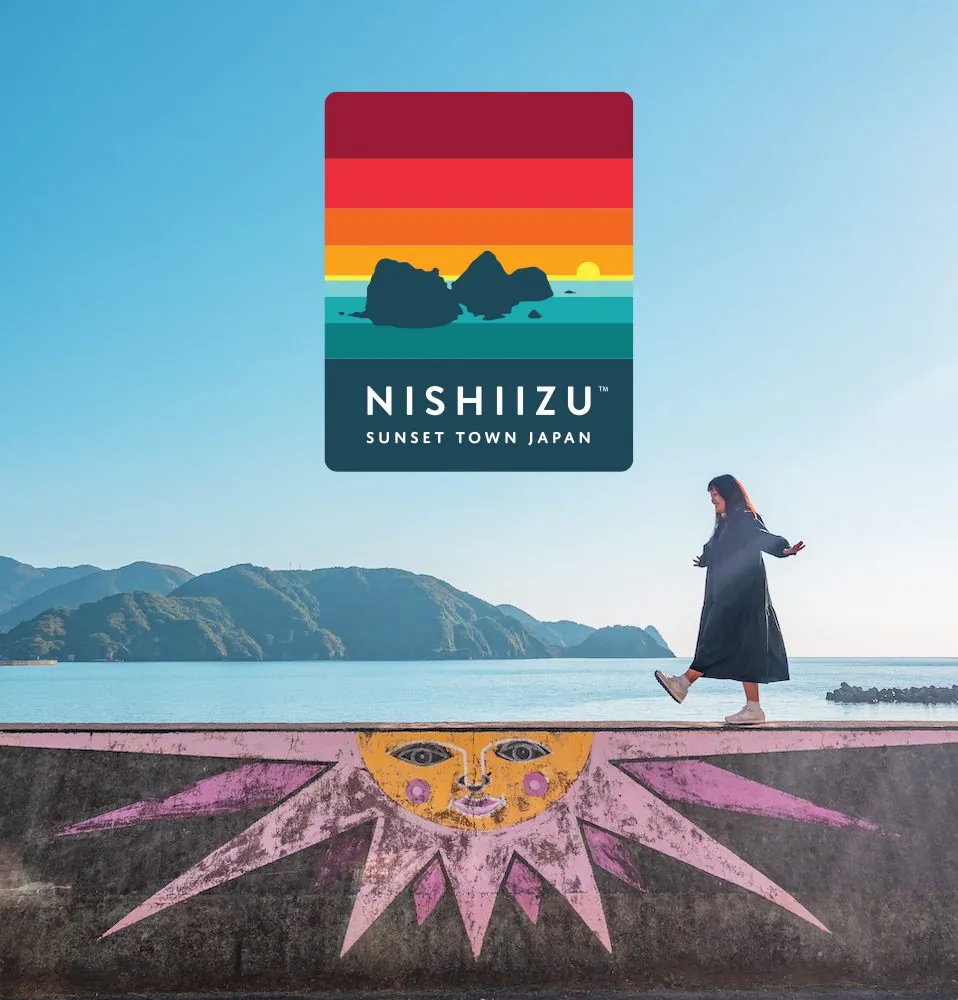
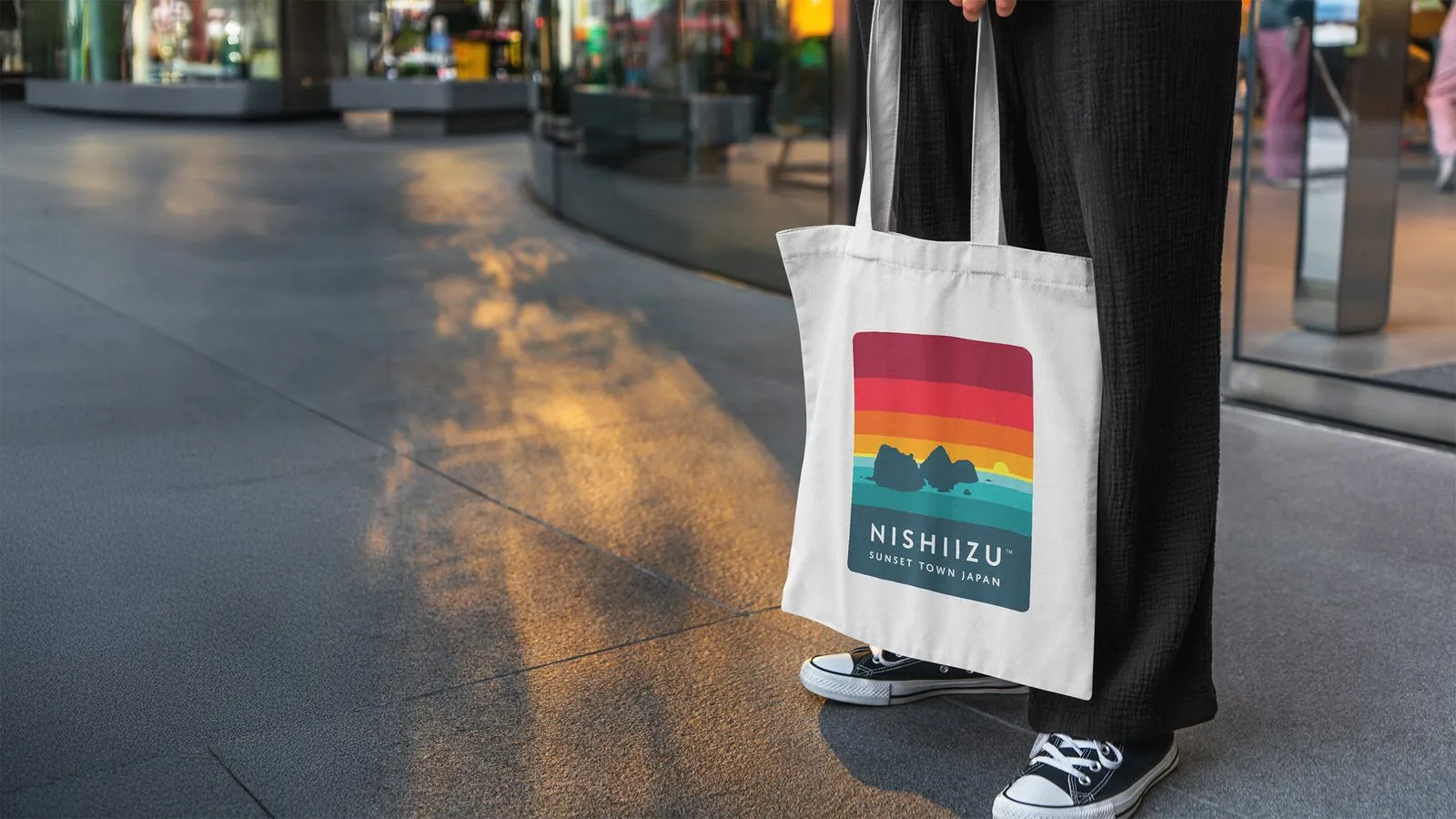
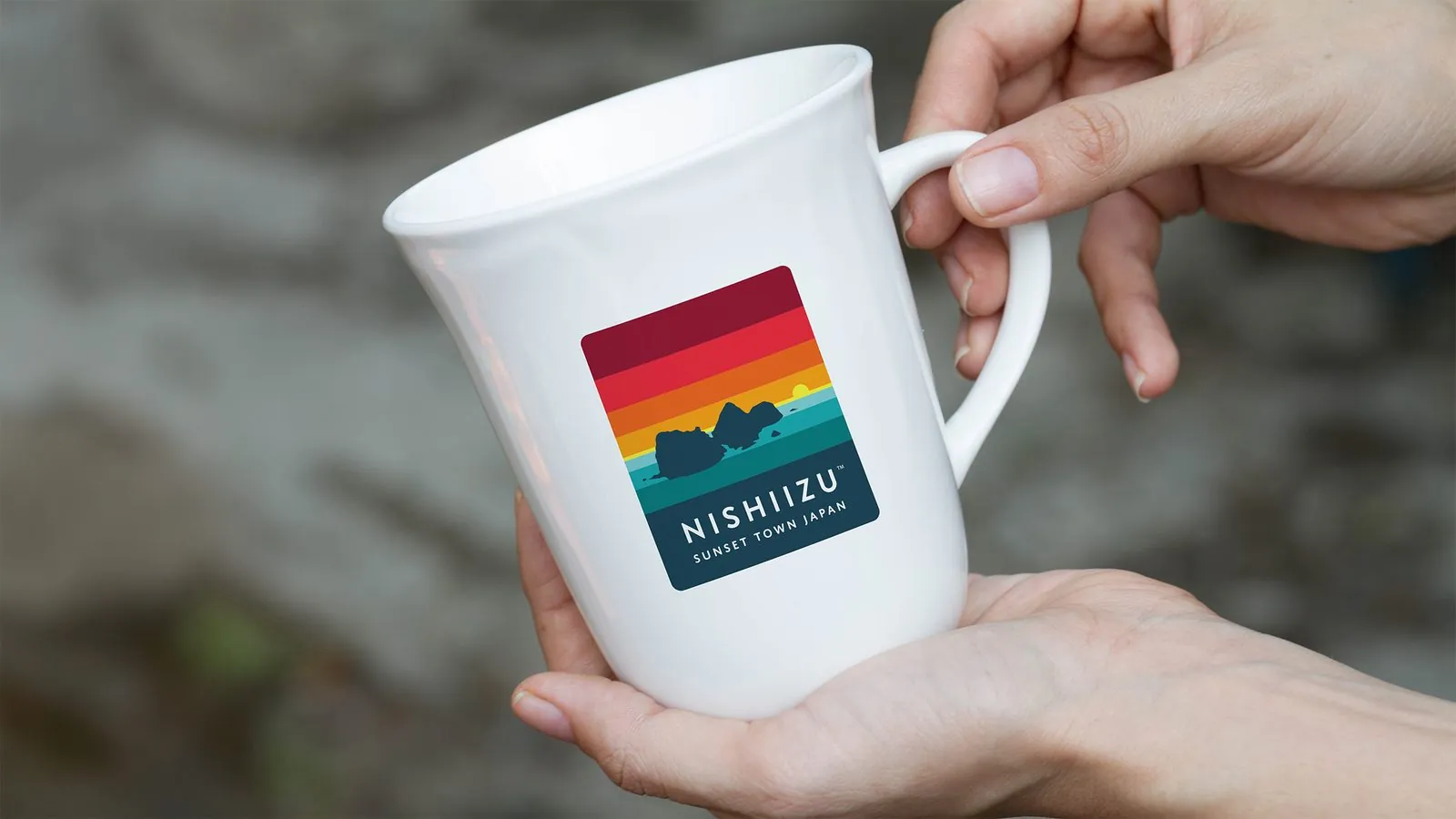
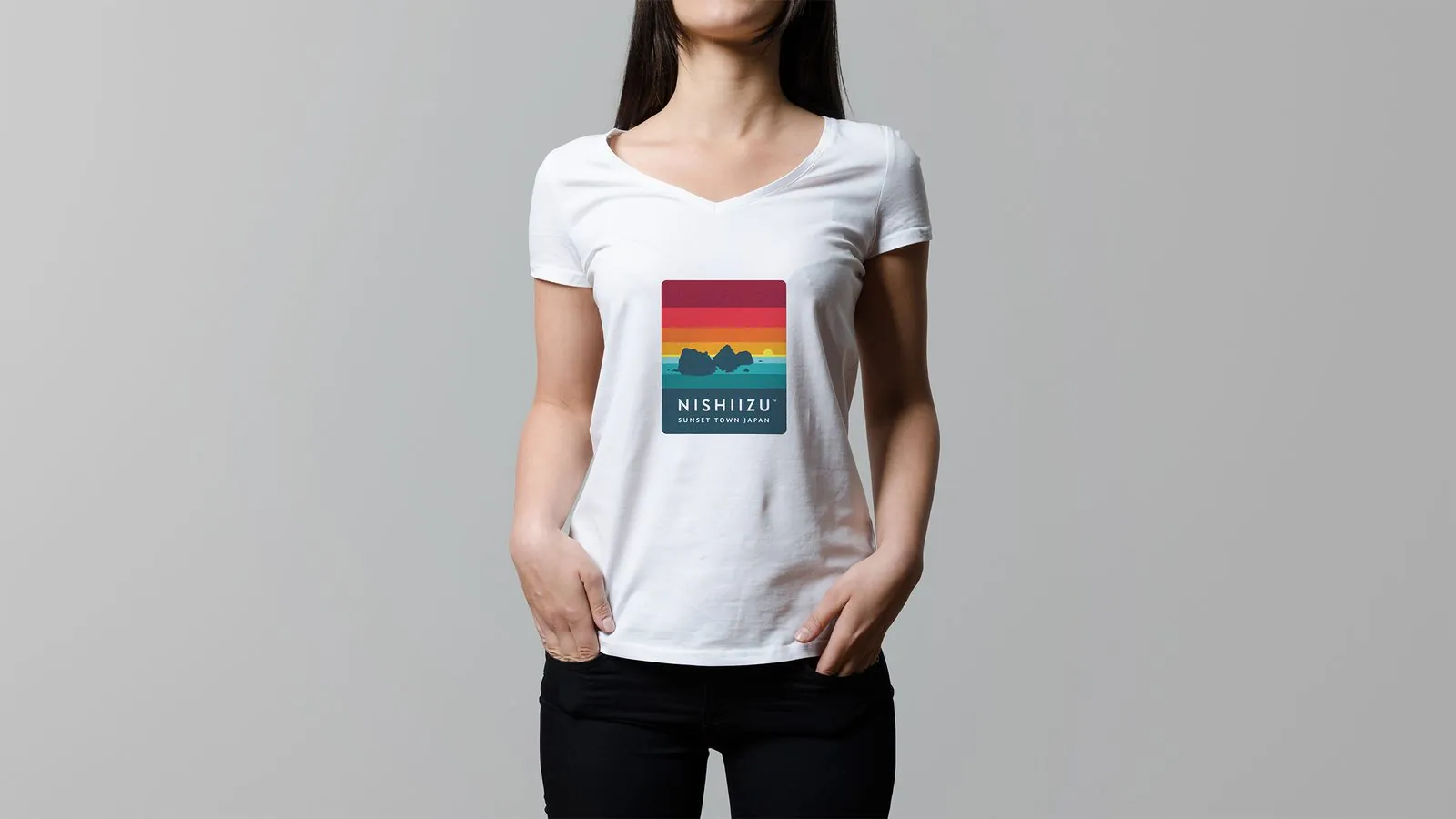
We created a destination identity around Nishiizu's most ownable asset: the sunset. The logo turns the coastline, water, sky, and sinking sun into a simple mark that can travel across digital, print, signage, merchandise, and tourism campaigns. The color bands make the sunset instantly recognizable, while the coastal silhouette keeps it tied to place.
It gave Nishiizu something most small destinations do not have: a visual symbol that visitors could remember, wear, photograph, and carry home.
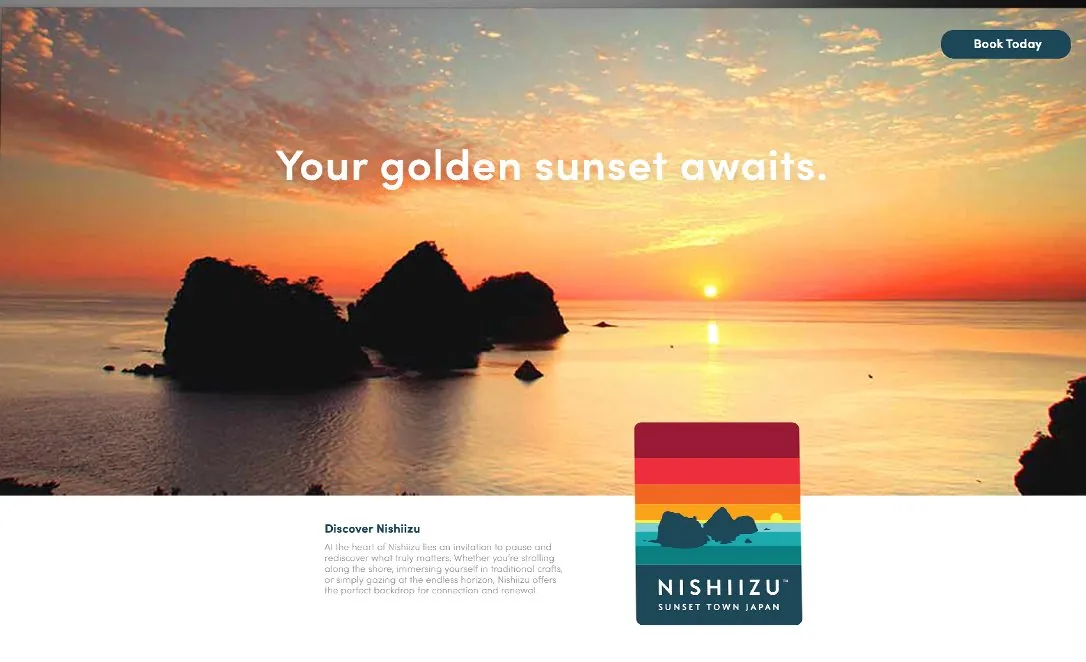
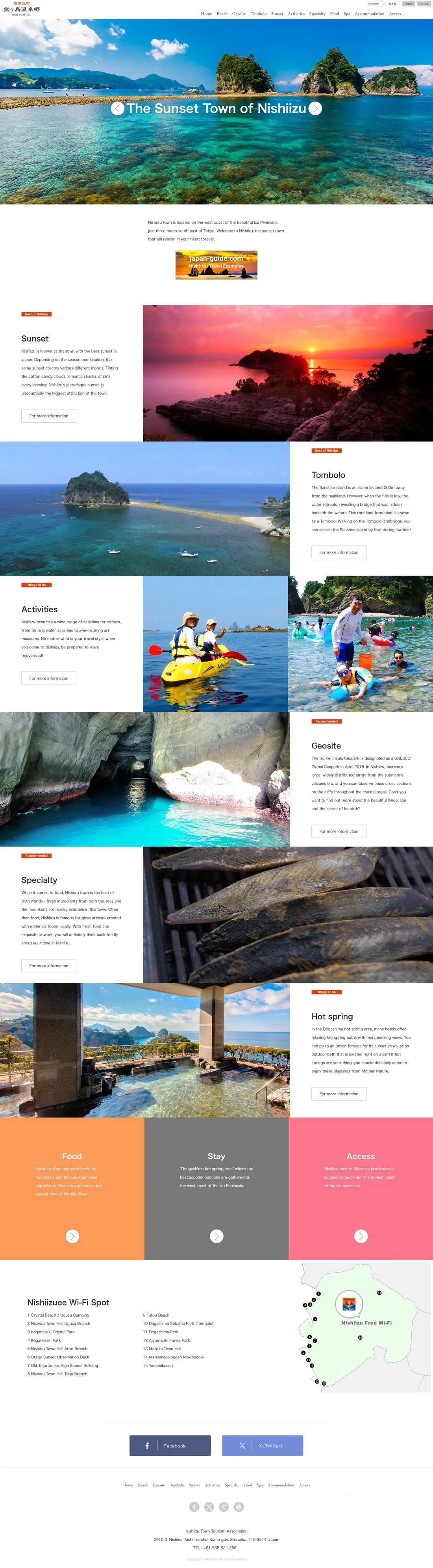
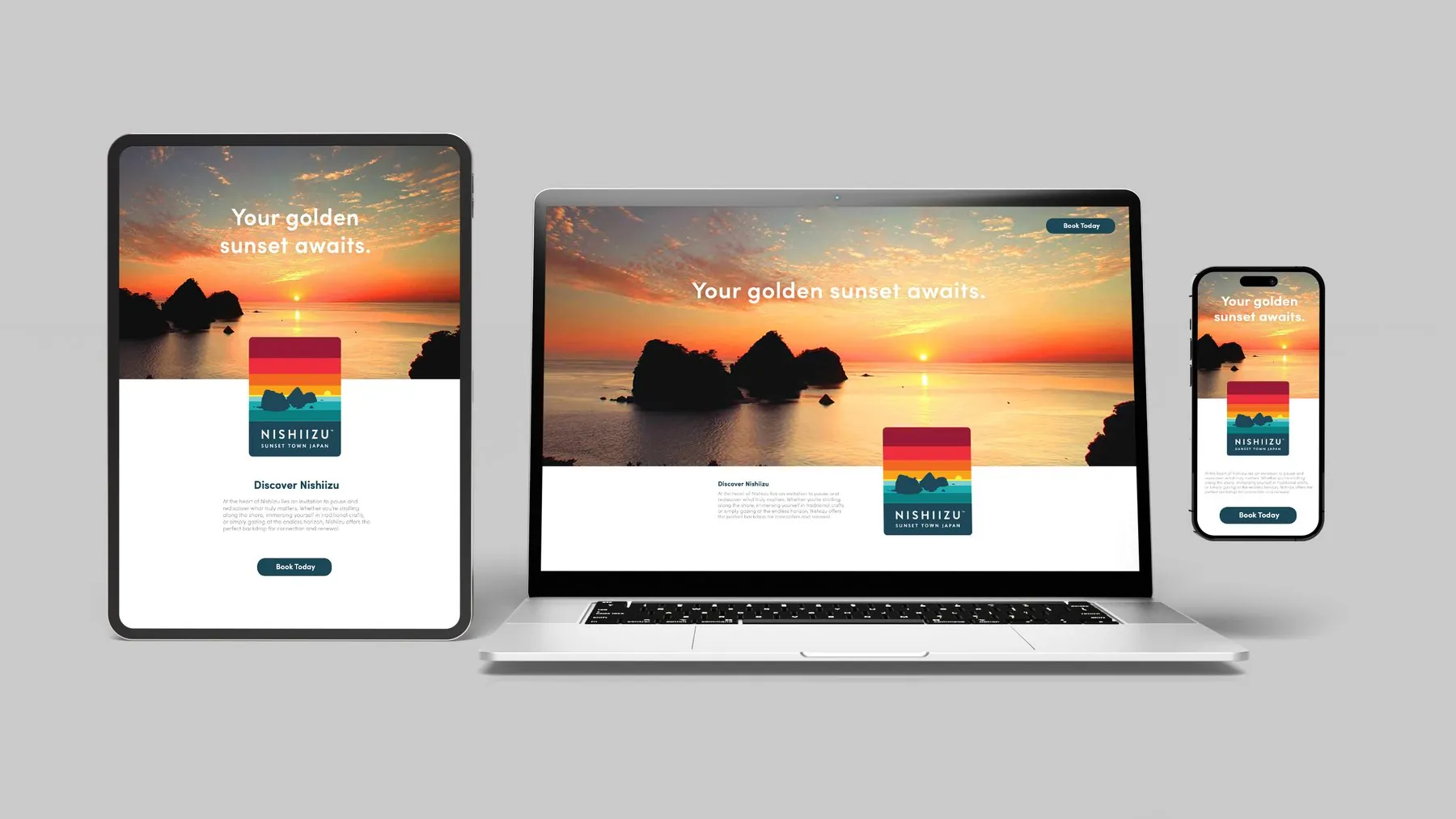
The website redesign was built around the thing Nishiizu already had: beauty. The old site could explain the town, but it did not make the destination feel irresistible. The new site needed to give the landscape space. Large imagery, immersive views, simple messaging, and mobile-first structure became central to the redesign.
The GPS findings made the direction clear. Mobile had to come first. Organic search had to be protected and strengthened. Sightseeing and outdoor activity had to be prioritized. And the site needed clearer pathways for people ready to plan, book, or learn more.
The new homepage — the landscape does the talking
The new site — scroll inside the frame · switch pages with the tabs
Before · The old site
Scroll the old site for contrast
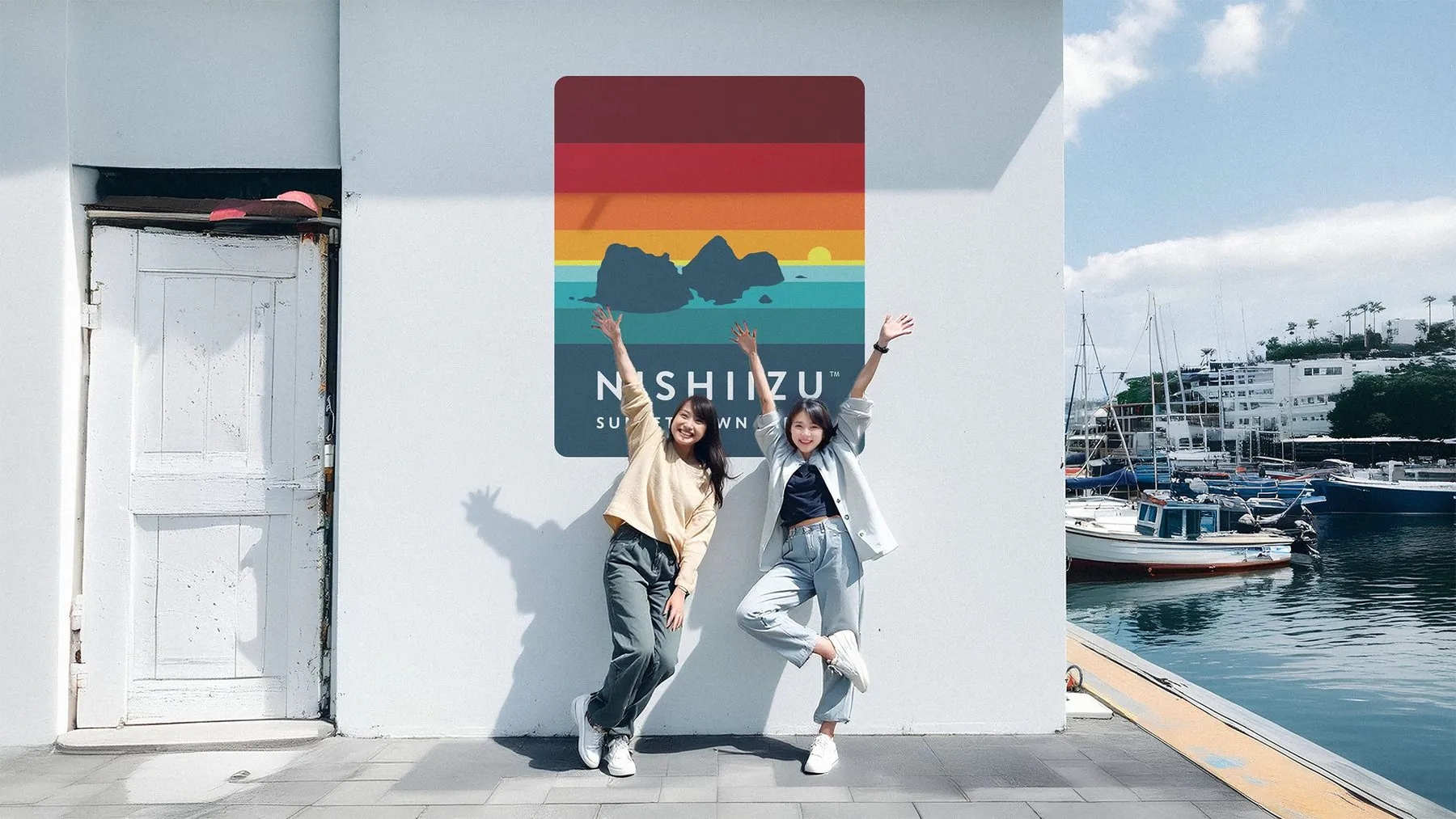
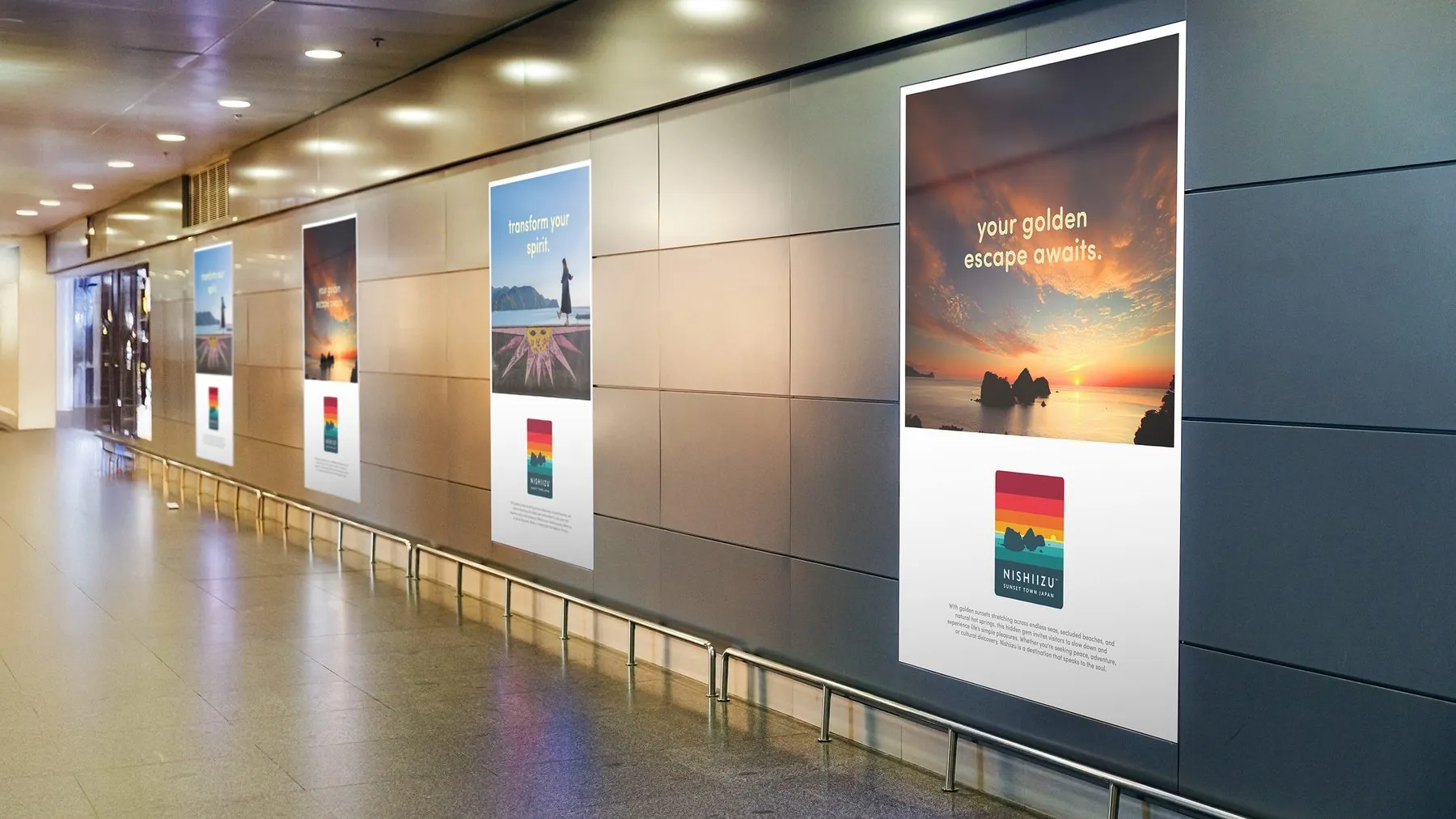
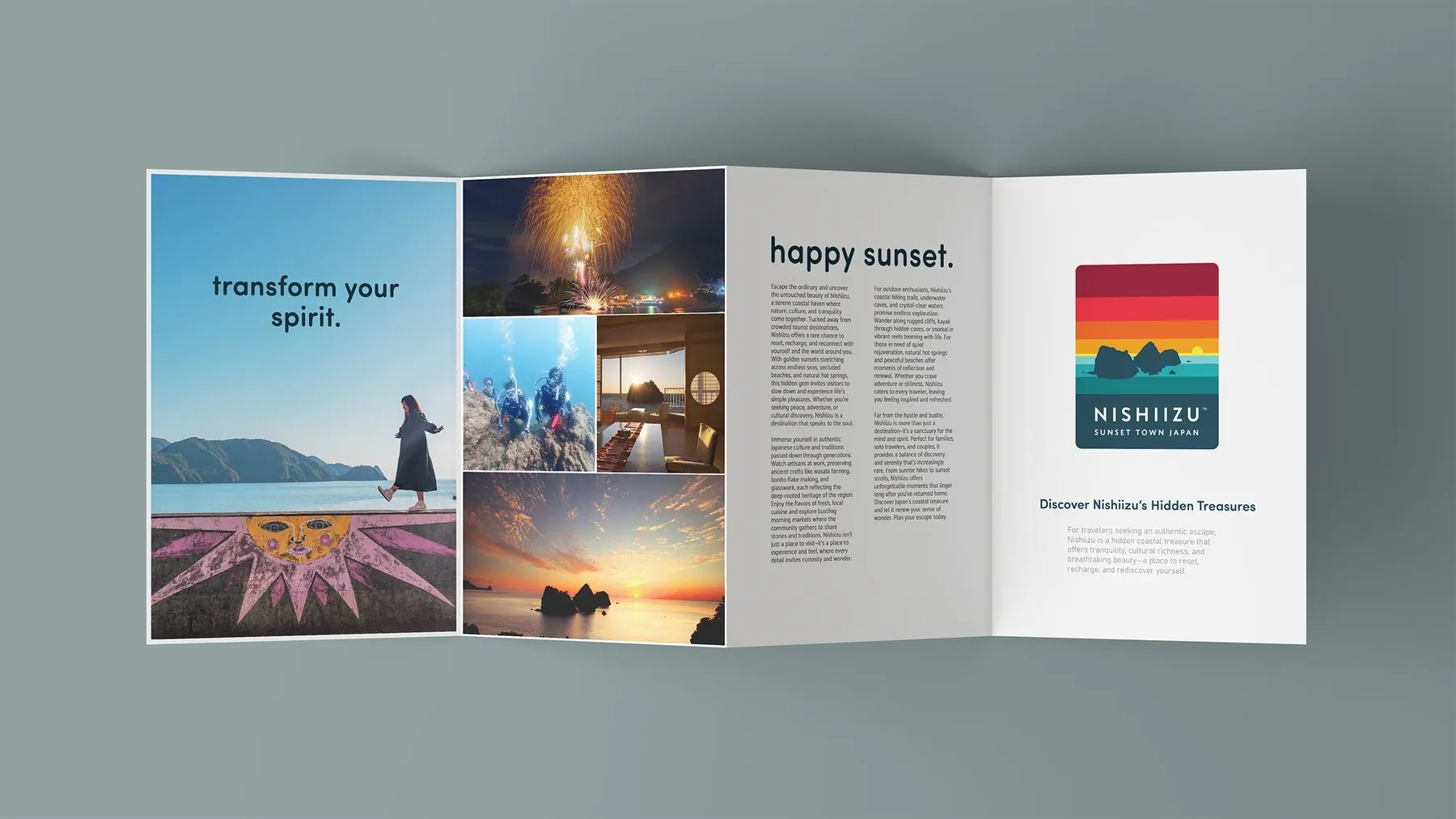
The identity was designed to stretch beyond the screen. We showed how Nishiizu could appear in the world: posters, merchandise, signage, printed materials, and travel collateral. That mattered because destination branding is not only something people see before they arrive. It is something they encounter, photograph, keep, and share.
The brand needed to work as a tourism system, not just a logo file.
We treated Nishiizu as a place that needed to be understood before it could be promoted. The work moved from research, to strategy, to story, to identity, to a more immersive digital presence.
01 · Find the real value
We conducted extensive interviews and Remark GPS™ analysis to understand what made Nishiizu matter. The answer was not one attraction. It was the combination of tranquility, natural beauty, outdoor activity, local culture, and the town's rare sunset identity.
02 · Build the story
We created the brand narrative and Foundational Messaging Brief to turn Nishiizu from a list of attractions into a destination with an emotional center. The story positioned the town as a place to escape, recharge, and rediscover Japan through scenery, quiet, food, activity, and sunset.
03 · Redesign the presence
We translated the strategy into a new identity and website direction. The logo made the sunset ownable. The website gave the landscape room to work. The wider brand assets showed how Nishiizu could appear across tourism campaigns, visitor touchpoints, and merchandise.
Nishiizu left the engagement with a clearer strategy, a stronger story, a memorable identity, and a redesigned website direction built around the town's greatest strength: its natural beauty.
The work gave the town a more confident way to present itself. Not as a forgotten place, but as a quiet coastal destination with dramatic landscapes, rare sunsets, local culture, outdoor activity, and the kind of atmosphere travelers increasingly search for.
This was not a campaign pasted onto a town. It was a system built from what was already true.